


Tariffs, 50% metals duties and the price of a hinge: how to quote glass hardware in late 2026
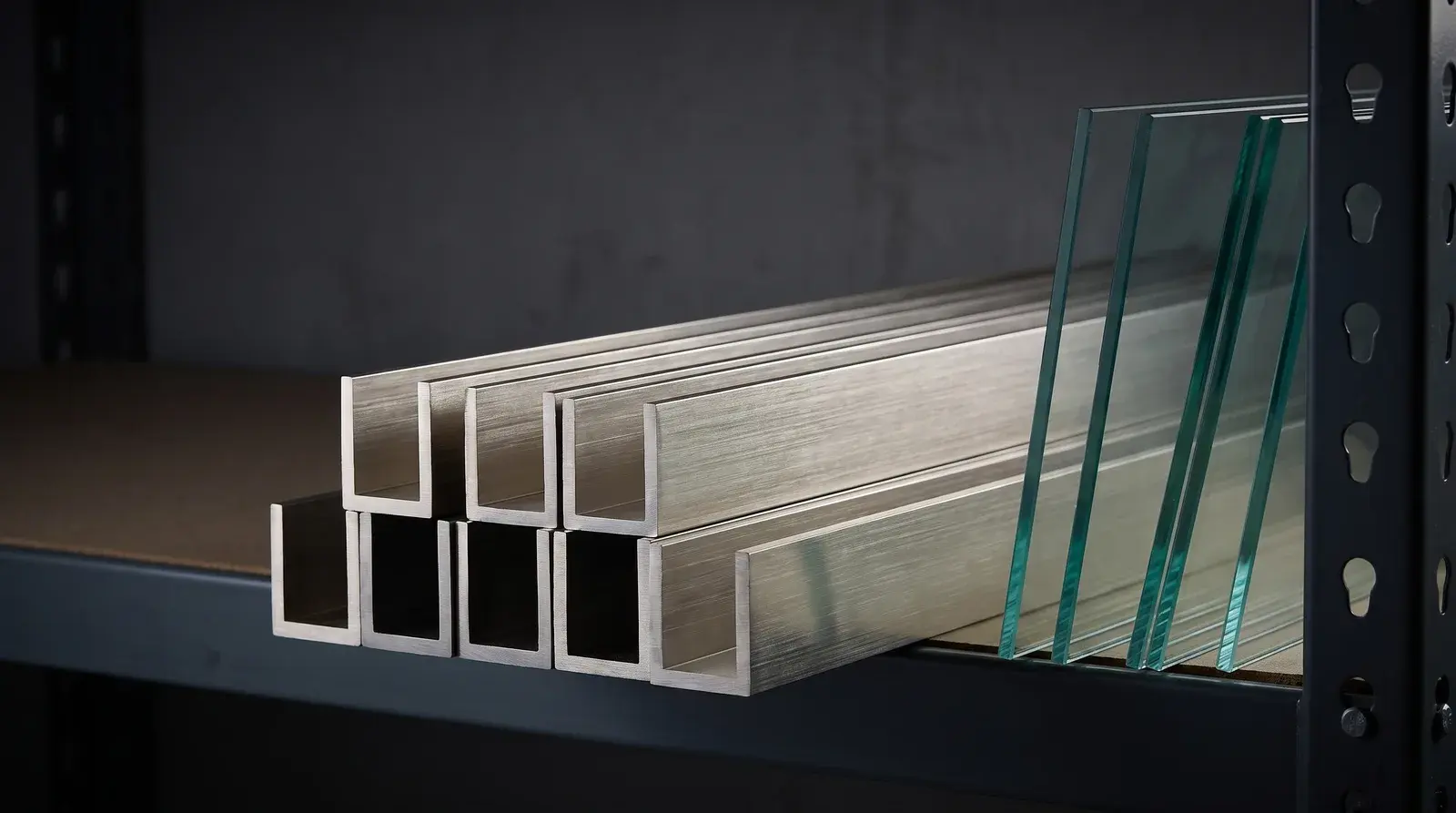
The numbers have not come down. On August 17, USGlass Magazine reported that aluminum mill shape prices were up 40.5% year-over-year in July 2026, that glass and glass product manufacturing prices sat 5.2% above a year ago, and that builders' hardware was up 4.9%. Inputs to new nonresidential construction rose 7.1% over the same twelve months.
Those figures are your bill of materials. Here is what is actually tariffed, how the duty reaches your invoice, and how to quote so a delayed job does not eat your margin.
What is actually tariffed
Three different mechanisms touch a glass job, and they behave differently.
Steel and aluminum: Section 232
Section 232 duties on steel and aluminum went from 25% to 50% effective June 4, 2025. Bridgeport Worldwide's tariff log records the date because its manufacturer surcharges moved the same week. When Glass Magazine's 2026 Top Glass Fabricators report says "in June, tariffs on aluminum and steel rose to 50%," that is the June it means. The rate has held since.
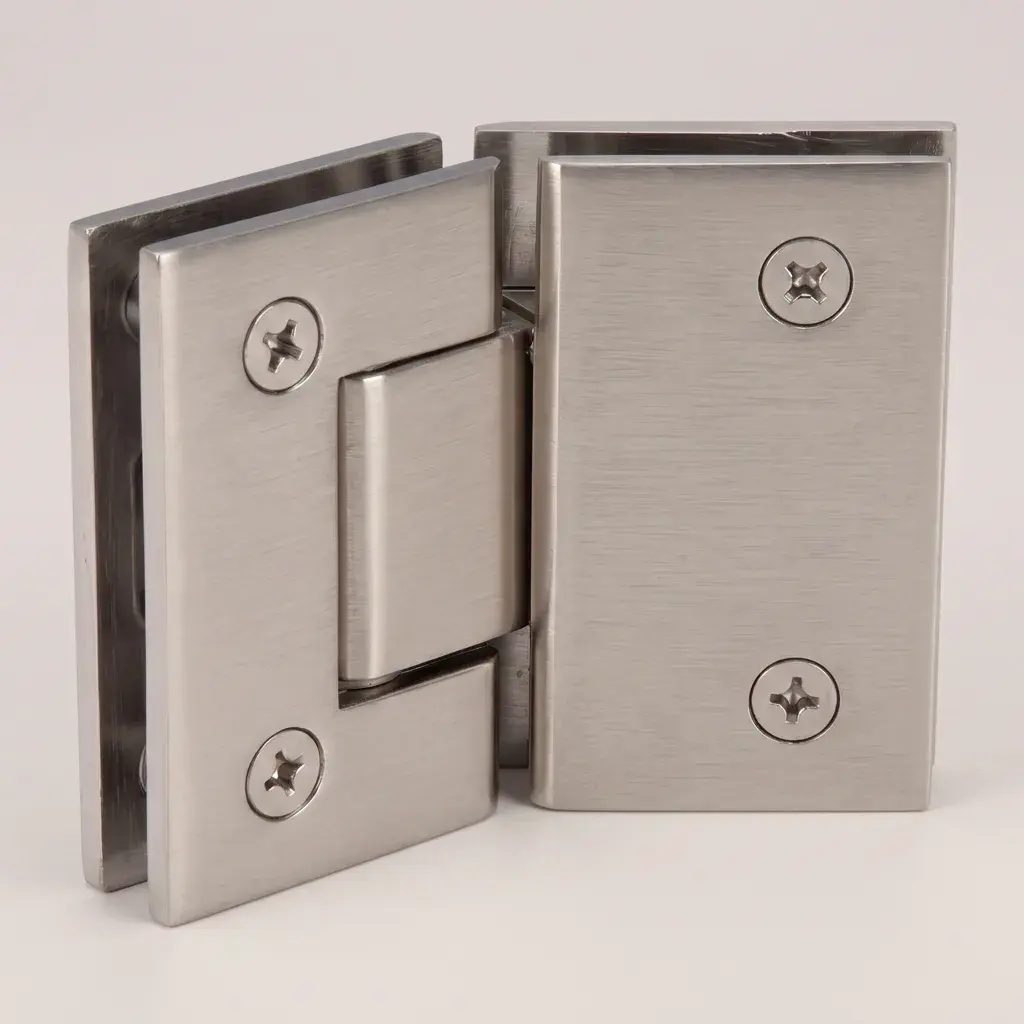
The bigger change for hardware came on April 2, 2026. Sandler, Travis & Rosenberg's tracker summarizes the proclamation: a flat 50% on the full value of articles made entirely or almost entirely of steel or aluminum, and a flat 25% on the full value of derivative articles substantially made of those metals. Before that, many derivatives were assessed only on their metal content. A stainless hinge is mostly stainless, so the full-value rule matters more than the headline rate. A June 1, 2026 proclamation adjusted the tiers again; Thompson Hine notes the 50% tier still applies to the full value of covered articles, the changes took effect June 8, 2026, and they run through December 31, 2027.
Brass is a copper alloy, and copper has its own Section 232 action. Which bracket a handle or pull lands in depends on its HTS classification and metal content, which is why two brands can carry different surcharges on similar parts.
Everything else: the country-based layer
The Supreme Court struck down the IEEPA tariffs on February 20, 2026, per BDO, and a temporary 10% Section 122 surcharge filled the gap. That surcharge expired July 24, 2026. Honigman reports that new Section 301 tariffs of 10% to 12.5% on imports from 60 economies took effect the same minute, with no built-in end date. Goods already under Section 232, including steel and aluminum derivatives, are exempt from that layer. Flat glass is not a Section 232 product, so what a lite pays depends on where it was floated.
Machinery
Glass Magazine's fabricator survey found that machinery, hardware and metal products were the top three products affected by tariffs. Tempering furnaces are your fabricator's problem, not yours, but a fabricator that shelved a capital purchase has less capacity.
How duty becomes a distributor price
"Most hardware comes from overseas that is sold domestically, and we saw an increase from our vendors," a Glassfab Tempering Services representative told Glass Magazine. The duty is paid at the port by the importer, which is usually the brand, and it shows up downstream in one of two forms.
The first is a line-item surcharge. Bridgeport's log shows SIMONSWERK glassline surcharges stepping from 19.5% to 22.2% in August 2025 and an 18% surcharge added to FritsJurgens pivots in April 2026. The second is a folded-in list increase. The Top Notch manufacturer notice, updated July 31, 2026, shows both: ASSA ABLOY Glass Solutions took a 5.5% adjustment on February 2 while keeping a 6.25% tariff-related list adjustment in place, and dormakaba converted a 7% surcharge into a 10% list increase on March 2. Hager moved 4% in March, Allegion's builders hardware 3% in May.
Surcharges can be withdrawn. List increases rarely are. Watch which one your vendor is using, because it tells you whether the price is expected to move again.
Lead times move with the same forces. Glass Magazine's 2026 Top 50 Glaziers report lists "ongoing material price volatility, especially aluminum and glass, extended lead times, and a competitive labor market" as the key challenges, and 68% of responding glaziers saw no improvement in hiring. Labor has its own fixes; see our post on apprentices.
Quote for the market you are in
A 60-day quote was written for a market that no longer exists. Three changes are worth making now.
- Shorten validity. Price hardware and metal for 15 to 30 days. Glass and labor can carry a longer window if your fabricator will hold it.
- Add an escalation clause. State that hardware and metal are priced at current supplier cost and that documented tariff or list changes pass through at cost, with the notice attached.
- Separate the hardware line. A quote that itemizes hinges, clamps, channel and glass lets you reprice one line instead of reopening the whole number.
Stock versus just-in-time
Just-in-time works when prices are flat and lead times are short. Neither is true for imported metal this year. A hinge on your shelf was bought at a known price. A hinge on a purchase order is invoiced at whatever the price is when it ships.
That does not mean filling a warehouse. It means carrying two to four weeks of the parts you use on every job, which for most shower shops is a short list: your standard wall-to-glass and glass-to-glass hinges, a couple of pull styles, U-channel, clamps and seals. Buy long-tail finishes as needed, and check stock before you quote, not after you sell.
Substitute what is on the shelf
Finish and SKU substitution is the fastest lever you have. If a matte black hinge is on a 6-week backorder and brushed nickel is in local stock, offer the change before the job is sold, not after the homeowner has picked tile. The same applies to complete kits, which bundle hinge, handle and seals from one brand and avoid a mixed-finish call later. On railing work, standardize on one base shoe or standoff system and design to it rather than specifying whatever the drawing shows.
Glass is the other substitution point. Low-iron carries a premium in any market; if a customer is squeezed on budget, clear glass is often the right call and the money is better spent on hardware that will not fail.
Talking to homeowners and GCs
Do not lead with tariffs. Lead with the date. "This price is good through September 15 because our hardware suppliers are repricing monthly" is a sentence people accept. For GCs, put the escalation clause in the bid and reference it at the pre-construction meeting, so the first mention is not a change order.
Your customers have read the same headlines. What they want from you is a number that holds.
The next 90 days
- Re-read every open quote older than 30 days and reprice the hardware line.
- Add a validity date and an escalation clause to your quote template this week.
- List the ten hardware SKUs you use most. Confirm current cost and local stock on each.
- Ask each vendor whether their current pricing is a surcharge or a list increase, and when it was last changed.
- Carry two to four weeks of your top ten. Stop stocking anything you sold fewer than three times last quarter.
- Pick one substitute finish and one substitute hinge series you are willing to offer on every job.
- The Section 232 tiers run through December 31, 2027. Do not plan as if they end sooner.
- Read the USGlass PPI update each month. It is the cheapest early warning available.
Singular holds stock in Miami and publishes live quantities on every product page, so you can see what is on the shelf before you quote. On quoted jobs we will hold pricing for a stated window; ask when you send the takeoff.